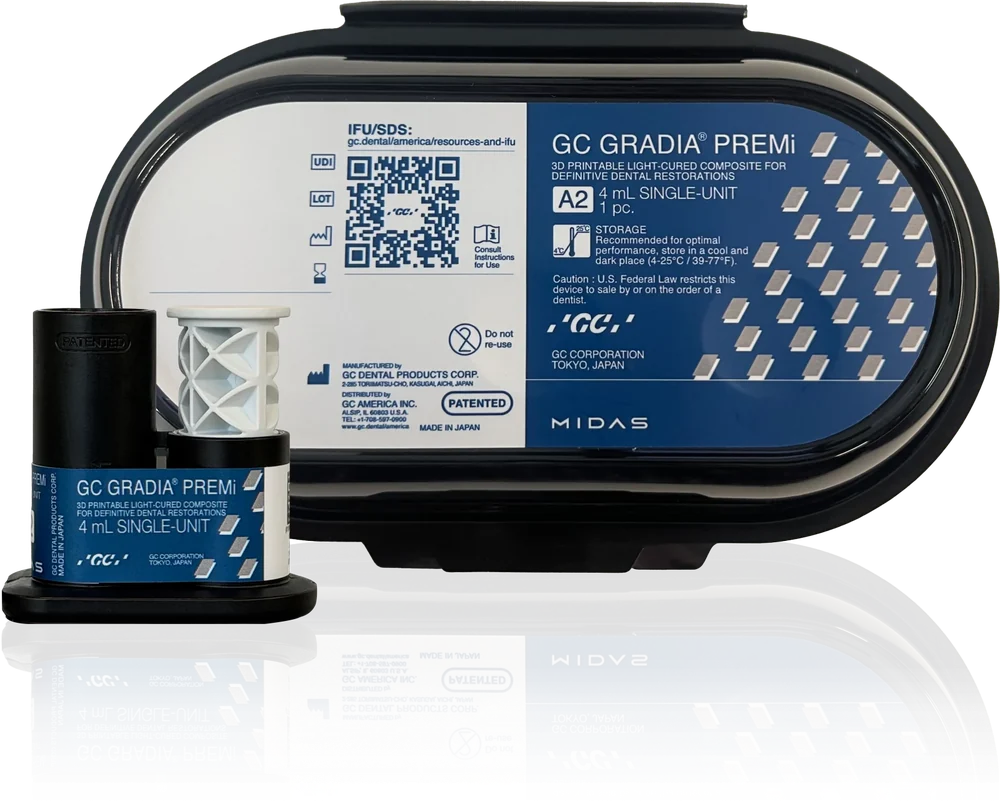
GC GRADIA® PREMi. The speedyou want –the scienceyou trust.
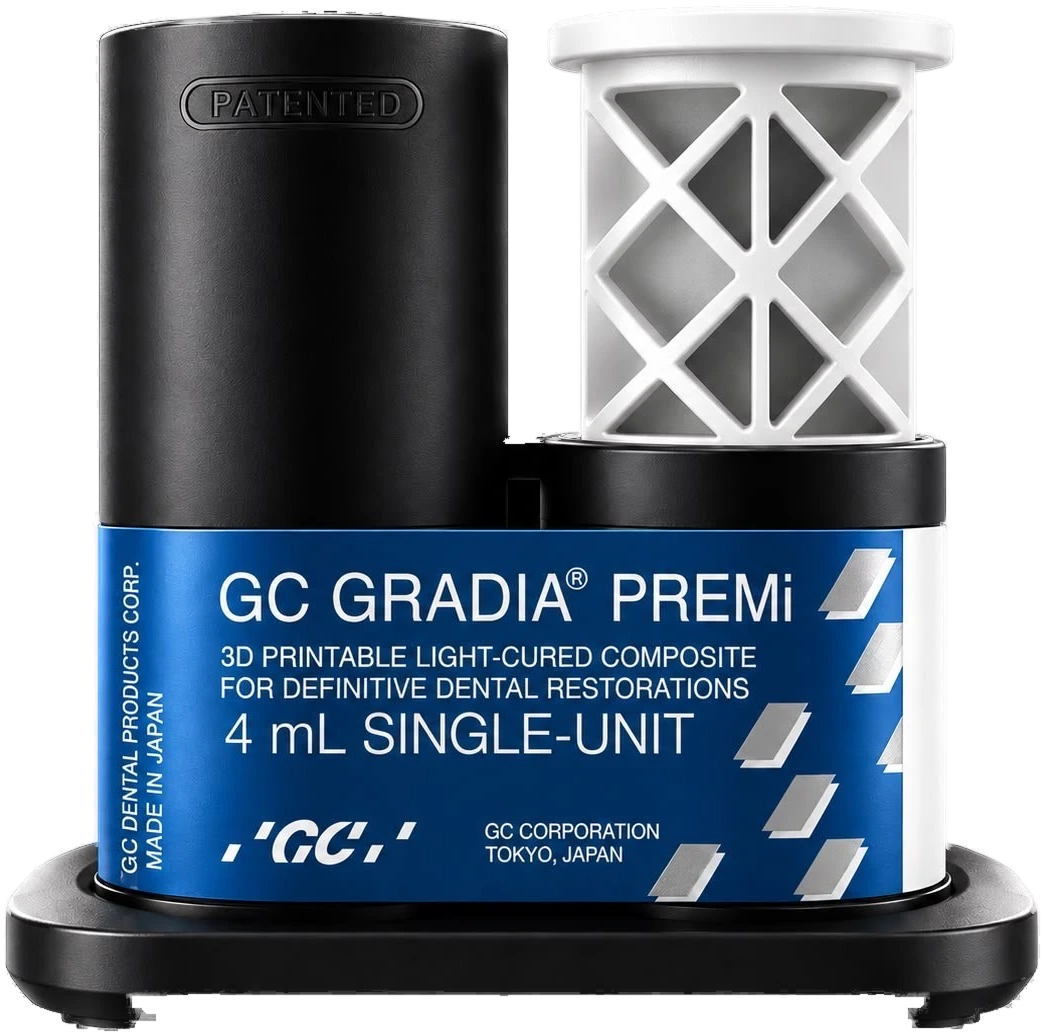
GC GRADIA® PREMi is a 3D Printable Light-Cured Composite for Definitive Dental Restorations – validated for use with SprintRay Midas™ Digital Press. Available to order starting November 2026.
At the heart of GC GRADIA® PREMi are two proprietary GC technologies that optimize the interaction between filler and resin matrix. Together they create a highly integrated nano-ceramic restorative system engineered for balanced clinical performance. Combined with GC’s Balanced High Translucency (b-HT™) Technology, lifelike restorations have never been easier.
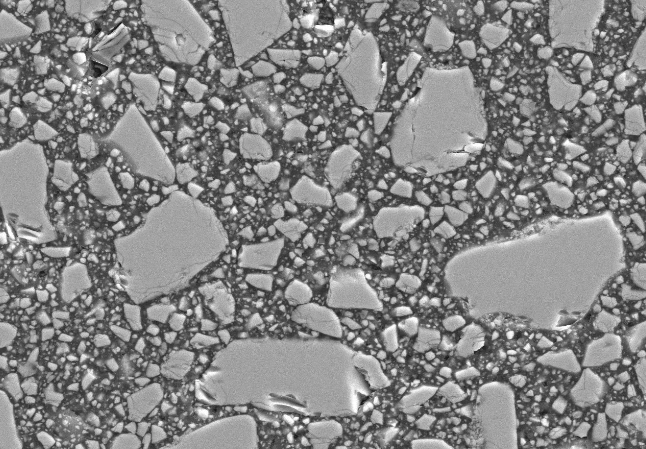
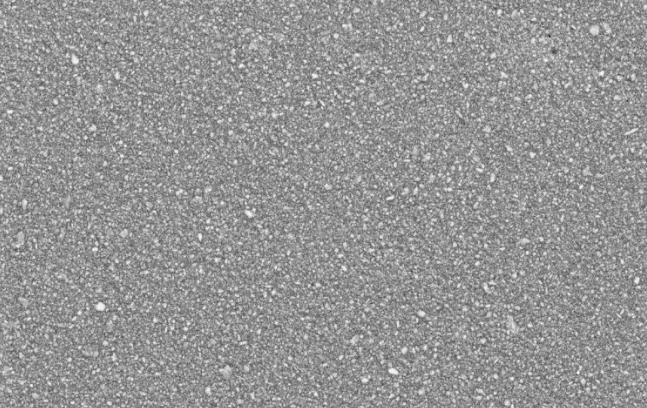
Conventional resin technologiesGC GRADIA® PREMiTypically contains a range of glass and nano fillers of the varying sizes creating weak points and gapsFSC™ Fully silanized, evenly separated fillerHDM™ Dense, homogenous, uniform distribution, leaving minimal gaps
Conventional resin technologiesTypically contains a range of glass and nano fillers of the varying sizes creating weak points and gaps
Conceptual illustration of HDM™ and FSC™ technology. Shown for illustrative purposes only.
HDM™ Technology High Density Micronization
HDM™ technology creates a dense, homogeneous distribution of ultra-fine fillers throughout the material. By reducing filler clustering and creating a more uniform internal architecture, HDM™ contributes to improved strength, wear resistance, surface quality, and long-term performance.
FSC™ Technology Full Silane Coating
FSC™ technology provides comprehensive silane treatment of the filler particles, strengthening the connection between filler and resin matrix. This enhanced integration supports physical durability, esthetic stability, and long-term material performance.
Advanced resin matrix Engineered as a complete system
Optimized stress distribution and a structure built for long-term performance.
Designed for Real-World Clinical Performance
The challenge in restorative dentistry has never been achieving strength, esthetics, or wear resistance. The challenge has been achieving all of them in the same material. GC GRADIA® PREMi was engineered to meet that challenge. By combining advanced material architecture, proprietary HDM™ and FSC™ technologies, natural optical properties, high polishability, excellent wear resistance, and dependable physical strength, GC GRADIA® PREMi delivers a carefully balanced approach to restorative performance. Because true restorative success isn’t defined by one property. It’s defined by how every property works together.
370MPa
Compressive strengthDependable physical strength
What it evaluates
Ability to withstand forces that push or compress the material.
Why it matters clinically
Confidence under biting forces. Helps demonstrate that the restorative material can withstand forces generated during occlusal loading.
235MPa
Biaxial flexural strengthMaximum value. Mean 222 MPa.
What it evaluates
Resistance to fracture when the material is subjected to flexural stress in multiple directions.
Why it matters clinically
Resistance to fracture. Helps demonstrate the material’s ability to withstand complex stresses placed on a restoration during function. PREMi’s technical information specifically evaluates biaxial flexural strength according to ISO 6872.
189MPa
3-point flexural strengthMaximum value. Mean 170 MPa.
What it evaluates
Resistance to fracture when a material bends under load.
Why it matters clinically
Another measure of fracture resistance. Helps evaluate how the material behaves when subjected to bending stresses rather than simply compression.
~300%
Aluminium-equivalent radiopacityClearly visible on radiographs: 2.5–3.0 mm Al equivalent.
11µm
High wear resistanceGentle on opposing dentition.
What it evaluates
Amount of restorative material lost through simulated repeated abrasive contact (3-body wear).
Why it matters clinically
Maintaining the restoration during function. Lower material loss indicates greater resistance to wear. PREMi’s technical data specifically uses a three-body wear test to evaluate wear resistance.
Self-polishing
High polishabilitySelf-polishing characteristics for a smooth, lasting surface with less chair time at the finish.
ISO 10477
Water sorptionLong-term material stability, evaluated according to ISO 10477.
What it evaluates
Amount of water absorbed by the material.
Why it matters clinically
Long-term material stability. Helps evaluate how the restorative material behaves after prolonged exposure to the oral environment. PREMi is evaluated according to ISO 10477 in the technical information.
Mean values: flexural strength (3-point bend) 170 MPa, biaxial strength 222 MPa, radiopacity 2.5–3.0 mm Al equivalent.
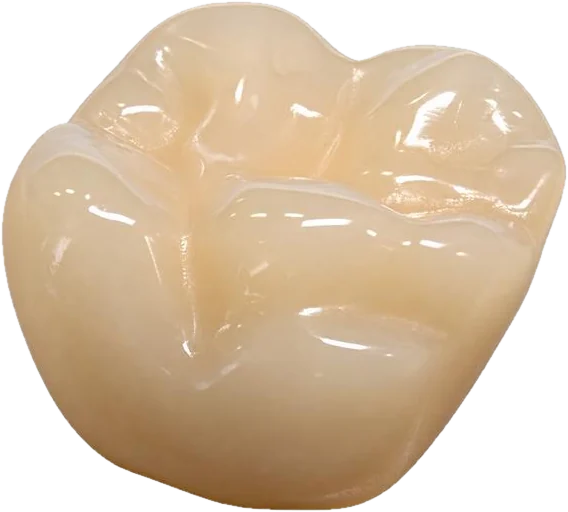
A permanent chairside restorative material for crowns, inlays, onlays and veneers – printed, finished and seated with the GC workflow.
CrownsFull coverage
InlaysIntracoronal
OnlaysPartial coverage
VeneersFacial surface
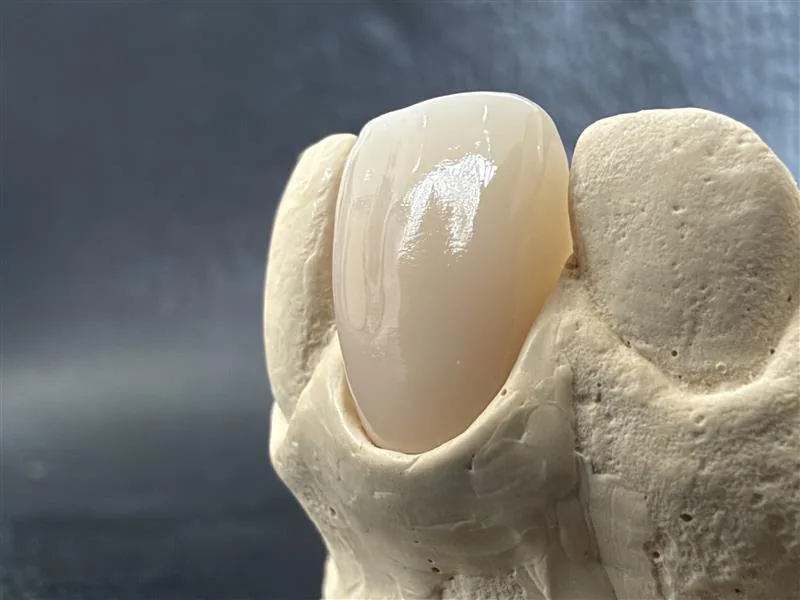
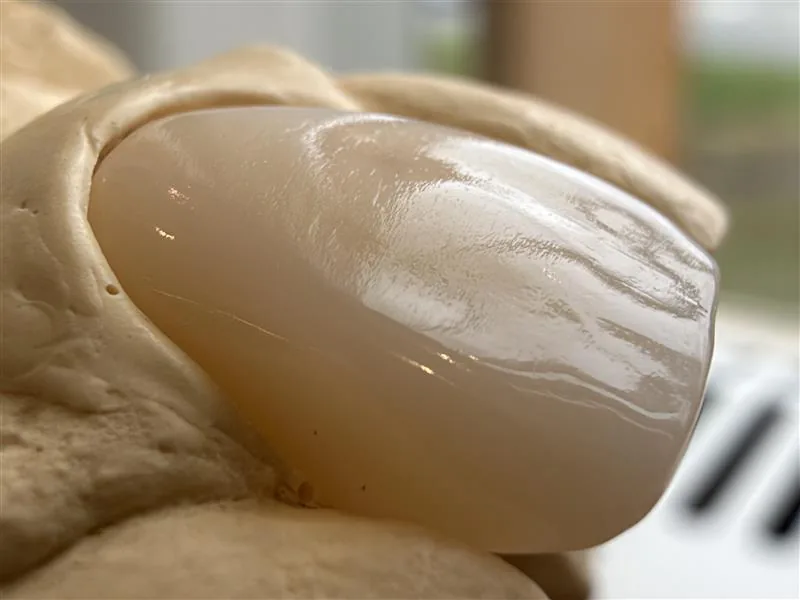
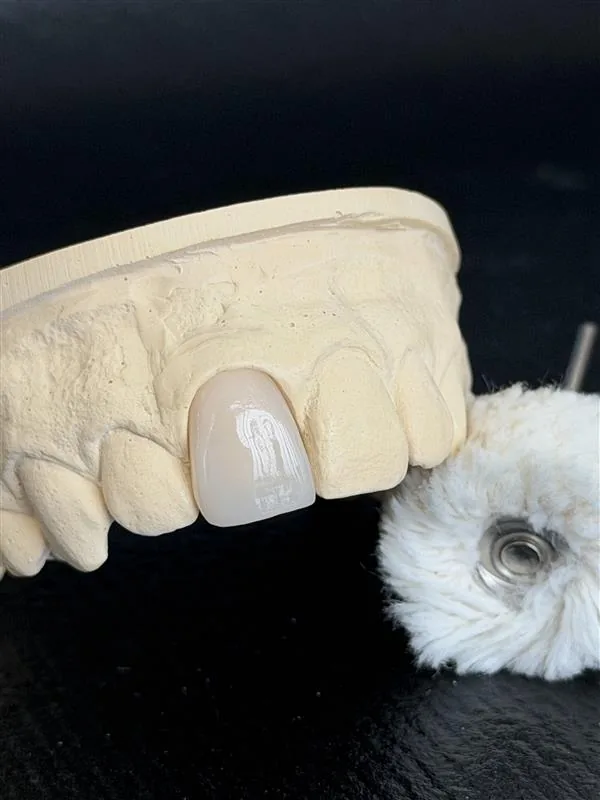
Anterior crown, try-in
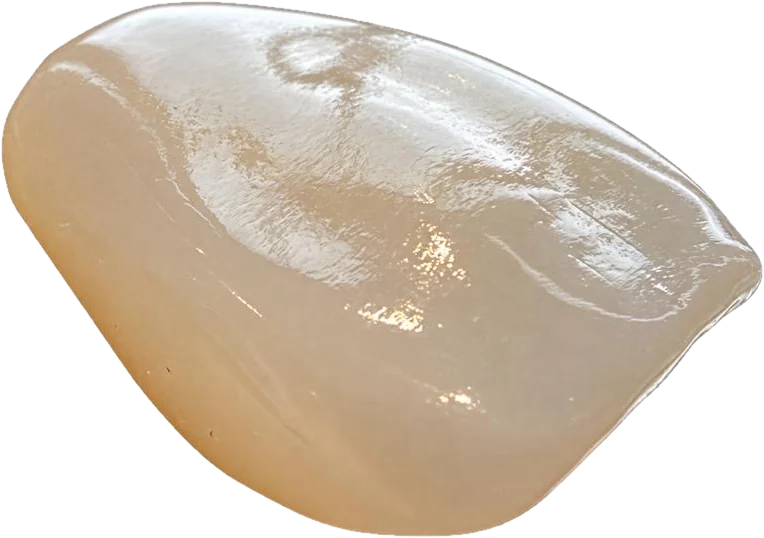
Veneer in natural light
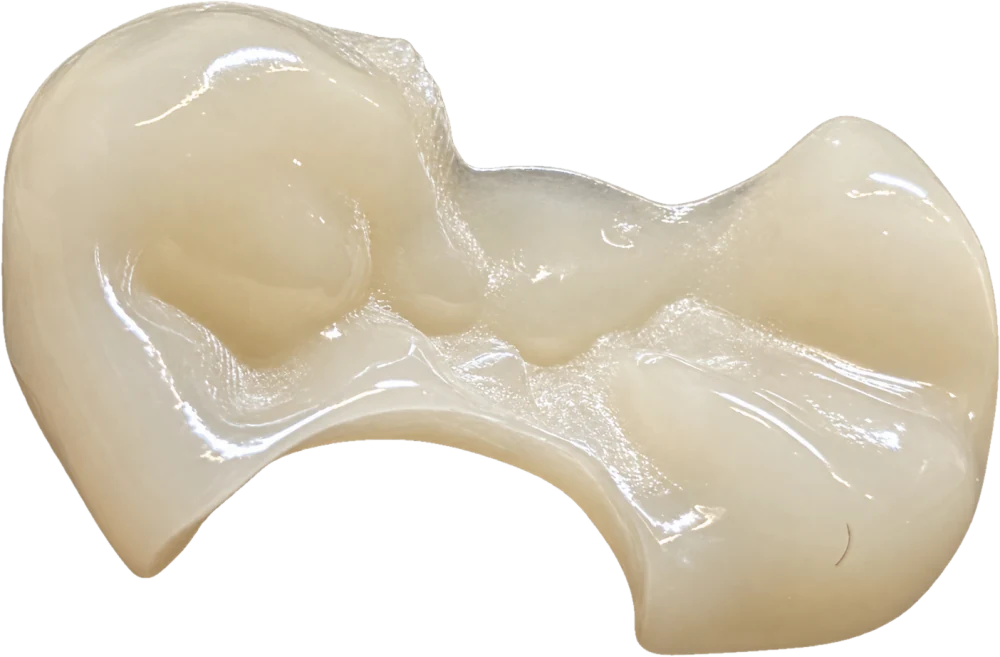
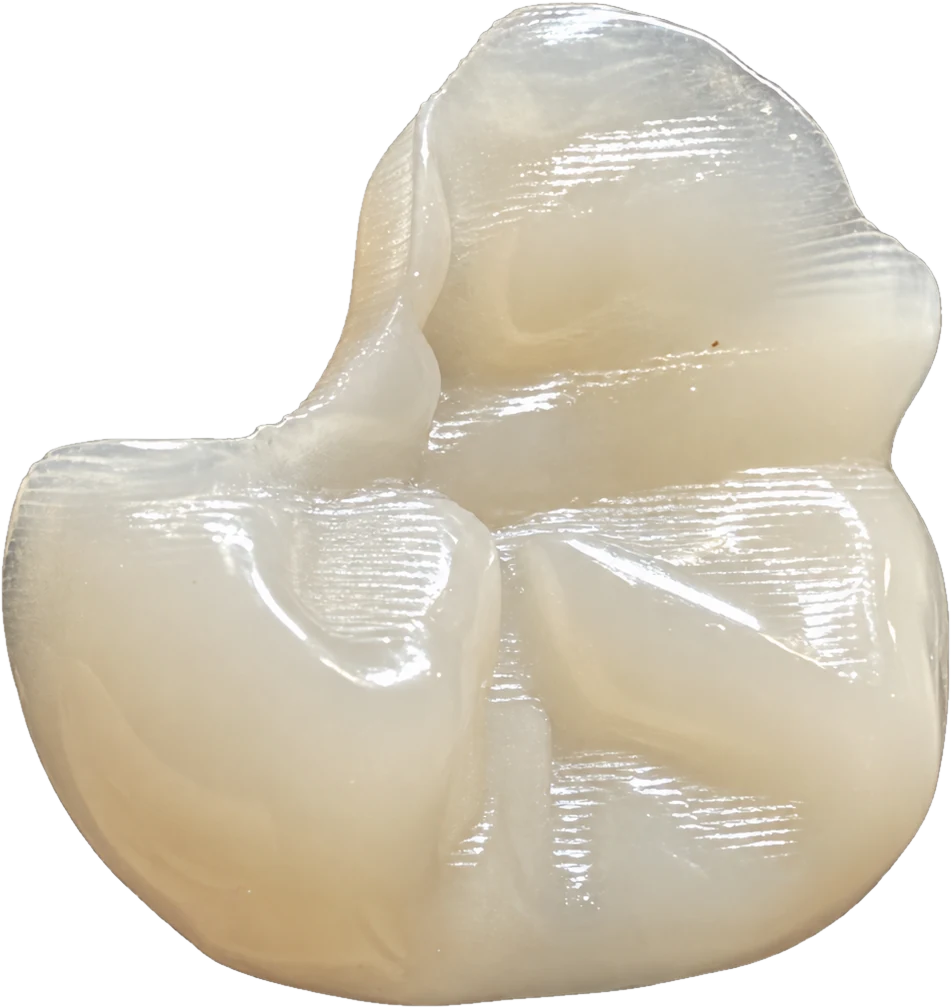
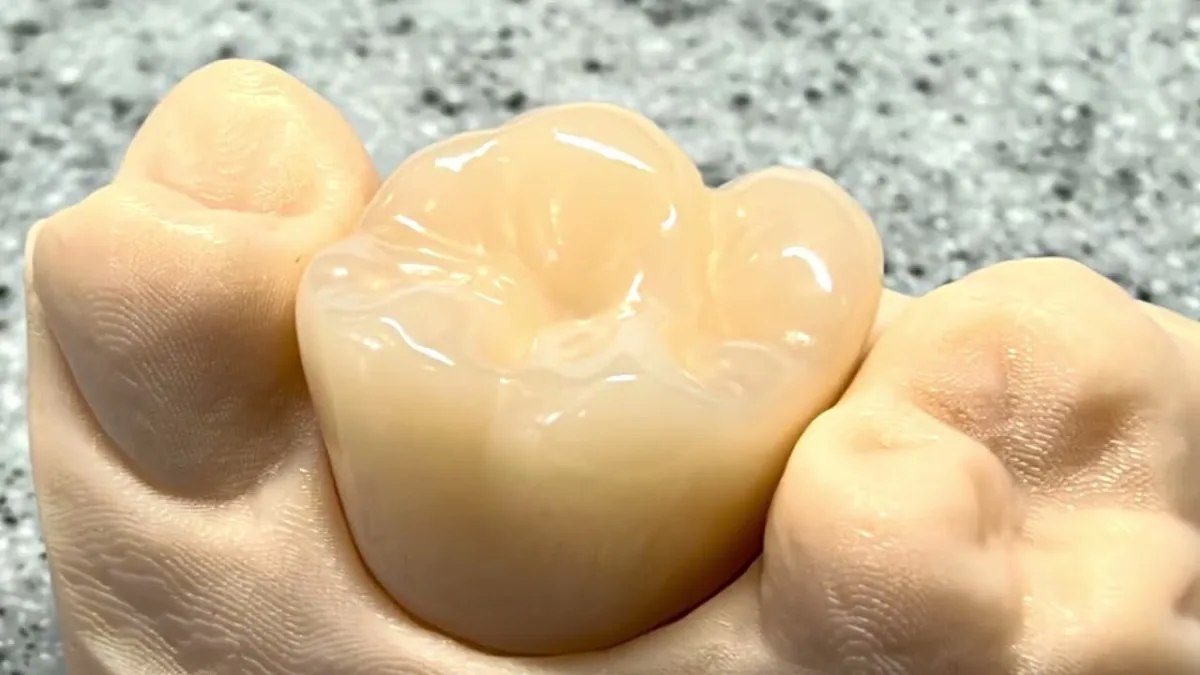
Occlusal detail after polishing
Natural Esthetics with Balanced High Translucency (b-HT™)
b-HT™ technology balances natural light transmission, so restorations can have excellent shade integration, keep their lifelike appearance, and reduced risk of value loss.
1234
1Natural light transmission
2Excellent shade integration
3Lifelike appearance
4Reduced risk of value loss
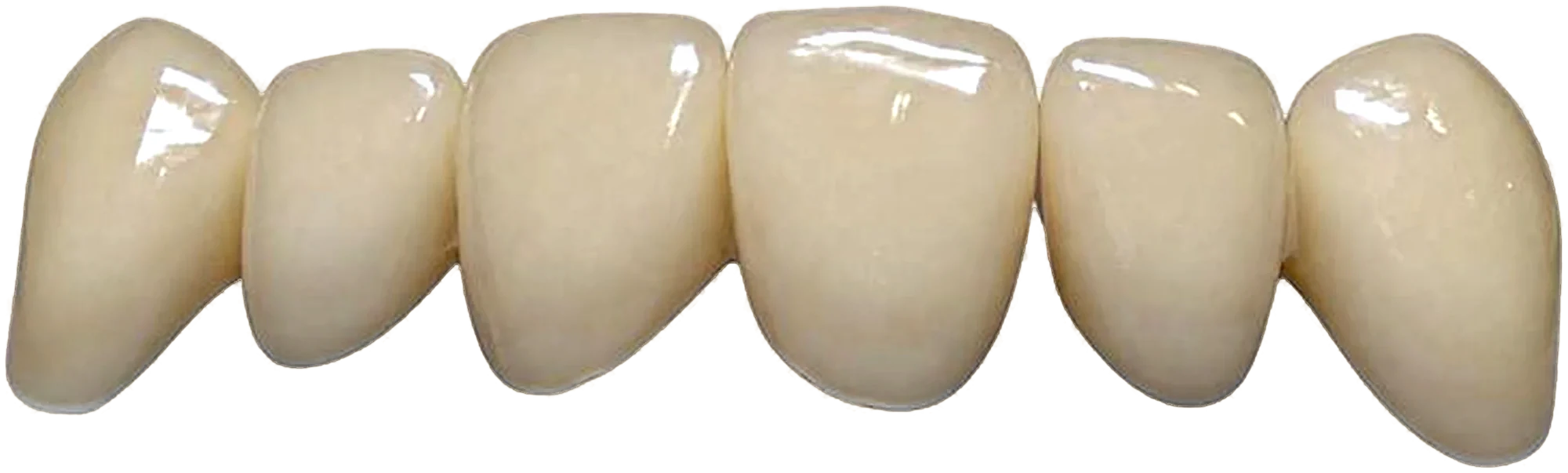
Six anterior units printed in GC GRADIA® PREMi.
GC GRADIA® PREMi Announcement at 3DNEXT 2026
We had the opportunity to join dental professionals, innovators, and industry leaders at SprintRay’s 2026 3DNext event in Miami, Florida. The energy, ideas, and conversations throughout the event reinforced what we already believe: the future of dentistry is incredibly bright.
We’re excited not only by the direction our industry is heading, but also by the role GC will play in helping to shape what’s next. As digital workflows continue to evolve, we’re committed to bringing innovative solutions and expertise that help deliver exceptional outcomes with greater efficiency and confidence – both for the dental practice and the patient. That is what is at the core of GC: Semui.
More Than a Material: A Complete Restorative Workflow
Reliable products, seamless integration and confident outcomes. Developing a successful restoration requires more than a single material. The restoration is only one part of a larger clinical system that includes preparation, bonding, cementation, finishing, polishing, and long-term maintenance.
01Press
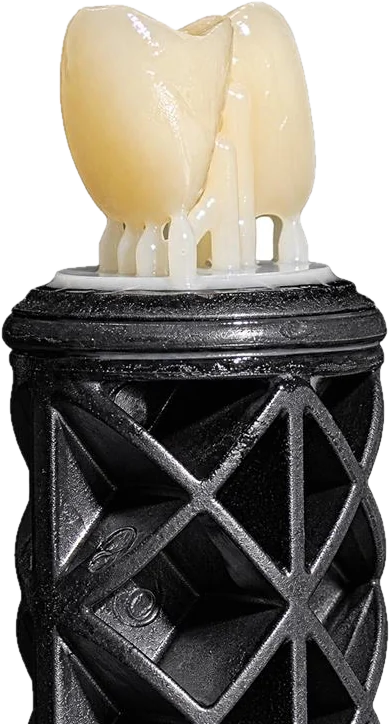
Load a GC GRADIA® PREMi 4 mL single-unit capsule into the SprintRay Midas™ Digital Press and print the definitive restoration chairside. The capsules are validated for use with the Midas™ Digital Press.
4 mL single-unit capsule
SprintRay Midas™ Digital Press
02Finish and polish
Self-polishing characteristics and high polishability bring up a smooth, lifelike surface quickly, and the finished restoration stays gentle on opposing dentition.
03Bond and cement
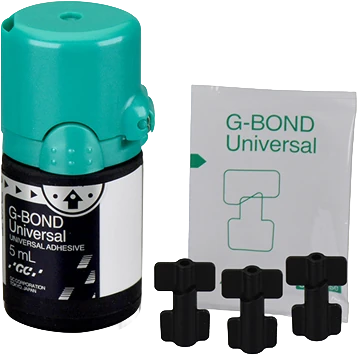
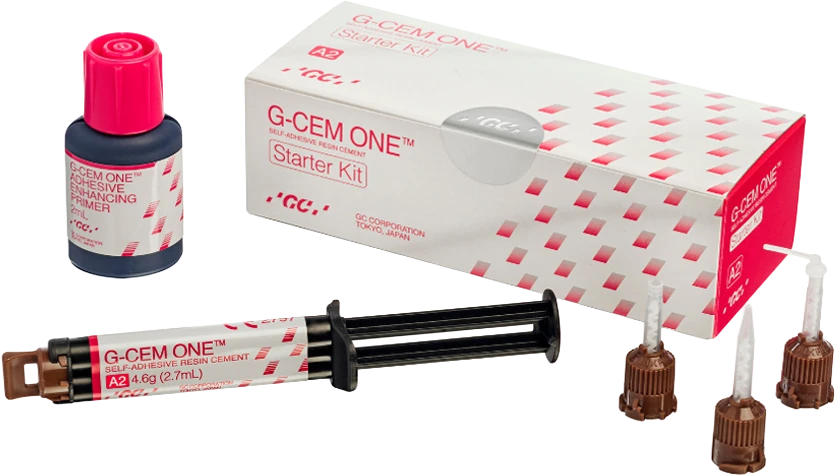
Complete the adhesive protocol with the GC system: G-BOND™ Universal adhesive and G-CEM ONE™ universal resin cement for a reliable, seamless seat.
G-BOND™ Universal
G-CEM ONE™
04Characterize
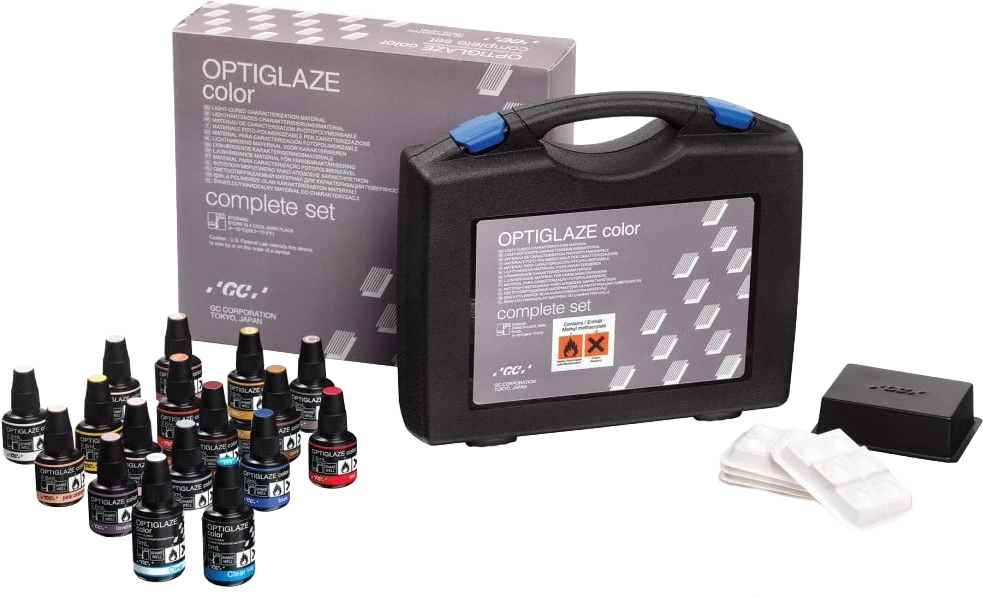
OPTIGLAZE™ color delivers optimized esthetics from start to finish: light-cured characterization and surface finish in one system.
OPTIGLAZE™ color
A Simple & Repeatable Workflow for Consistent Results
Available to Order Starting November 2026
GC GRADIA® PREMi ships as three 4 mL capsules for the SprintRay Midas™ Digital Press, in four shades.
Shades and order codes
Shade
Pack
Order code
A1
3 × 4 mL capsules
10043333
A2
3 × 4 mL capsules
10043334
A3
3 × 4 mL capsules
10043335
B1
3 × 4 mL capsules
10043337
GC GRADIA® PREMi resin capsules are validated for use with the Midas™ Digital Press. Place your order from November 2026 and claim your Intro Kit.